

Self-service car washes offer a practical solution for vehicle owners seeking to maintain their automobiles without the higher costs often associated with full-service establishments. These facilities provide the necessary equipment and infrastructure, allowing individuals to perform the cleaning themselves. This approach can lead to both financial savings and a greater degree of control over the cleaning process.
Accessibility and Ubiquity
Self-service car washes are widely available, a testament to their utility and demand. They can be found in various locations, including urban, suburban, and rural areas. This broad distribution makes them a readily accessible option for a significant portion of the population. Their presence often correlates with high-traffic areas, such as near gas stations, shopping centers, and residential zones, ensuring convenience for patrons.
24/7 Operation
A key feature of many self-service car washes is their operational availability. Unlike full-service car washes or detailing shops that often adhere to standard business hours, self-service bays frequently operate 24 hours a day, seven days a week. This continuous accessibility allows individuals to clean their vehicles at a time that suits their personal schedule, whether it’s early in the morning before work, late in the evening, or on weekends. This flexibility is a significant draw for those with irregular work hours or busy lifestyles.
One of the primary benefits of self-service car washes revolves around their affordability. They typically offer a more economical alternative to professionally administered car washes, which can vary significantly in price based on the level of service desired.
Reduced Labor Costs
The cost savings associated with self-service car washes are largely attributable to the absence of paid labor for the cleaning process itself. You, the customer, are effectively the laborer, and this directly translates into lower operating expenses for the car wash owner, which are then passed on to you in the form of lower prices. Instead of paying for an employee to wash your car, you pay for the use of the equipment and water.
Incremental Spending
Self-service facilities often operate on a timed payment system, typically activated by coins, tokens, or credit cards. This allows you to control the exact amount you spend. You can allocate funds based on the extent of cleaning required, rather than being constrained by fixed package prices offered at full-service washes. For a quick rinse to remove light dust, you might spend a minimal amount. For a more thorough cleaning involving presoak, soap, and wax, you will spend more, but still likely less than a full-service option. This “pay-as-you-go” model is akin to a modular approach, where you only pay for the components you actively utilize.
Avoidance of Upselling
Full-service car washes sometimes employ sales strategies that encourage customers to purchase additional services, such as tire shining, undercarriage washes, or premium waxes. While these services can be beneficial, they add to the overall cost. At a self-service car wash, you are in control of the services you select, and there is no pressure to opt for extras you do not need or desire. This eliminates the potential for unanticipated expenses.
Control Over the Cleaning Process
Beyond financial considerations, self-service car washes empower individuals with a high degree of control over how their vehicle is cleaned. This aspect is particularly valued by those who are meticulous about their car’s appearance or have specific cleaning requirements.
Tool Selection
Self-service bays typically offer a range of tools and cleaning agents. These often include:
- High-pressure sprayers: Essential for removing loose dirt and debris.
- Foam brushes: Designed for applying soap and scrubbing surfaces, often with a soft, non-abrasive material.
- Soap dispensers: Providing various cleaning solutions, from general car wash soap to specialized degreasers.
- Wax applicators: For applying a protective layer to the vehicle’s paintwork.
- Rinse cycles: To remove soap and residue effectively.
- Spot-free rinse: Utilizing demineralized water to prevent water spots upon drying.
You choose which tools to use and for how long. This selection process is analogous to an artist selecting their brushes; each tool serves a specific purpose in achieving the desired outcome.
Thoroughness and Precision
When you wash your own car, you can dedicate more time and attention to specific areas that may require extra care. This includes:
- Wheel wells: Often accumulate significant amounts of dirt and grime.
- Undercarriage: Especially important in areas with road salt or heavy off-road use.
- Door jambs: Frequently overlooked in automated washes.
- Stubborn stains: Tar, bug splatters, or bird droppings can be addressed directly and persistently.
This level of detail is difficult to achieve with automated car washes, where the cleaning process is standardized and often less adaptable to individual needs. The ability to focus on problem areas ensures a more comprehensive cleaning result.
Mitigating Damage Risk
While automated car washes have improved significantly, there remains a perceived risk of superficial damage, such as swirl marks or scratches, from automated brushes or strong detergents. With a self-service car wash, you have direct control over the contact between cleaning tools and your vehicle’s surface. You can use gentler techniques and ensure that brushes are clean before use, thereby reducing the likelihood of marring the paintwork. This direct involvement can alleviate concerns about potential cosmetic damage.
Environmental Considerations
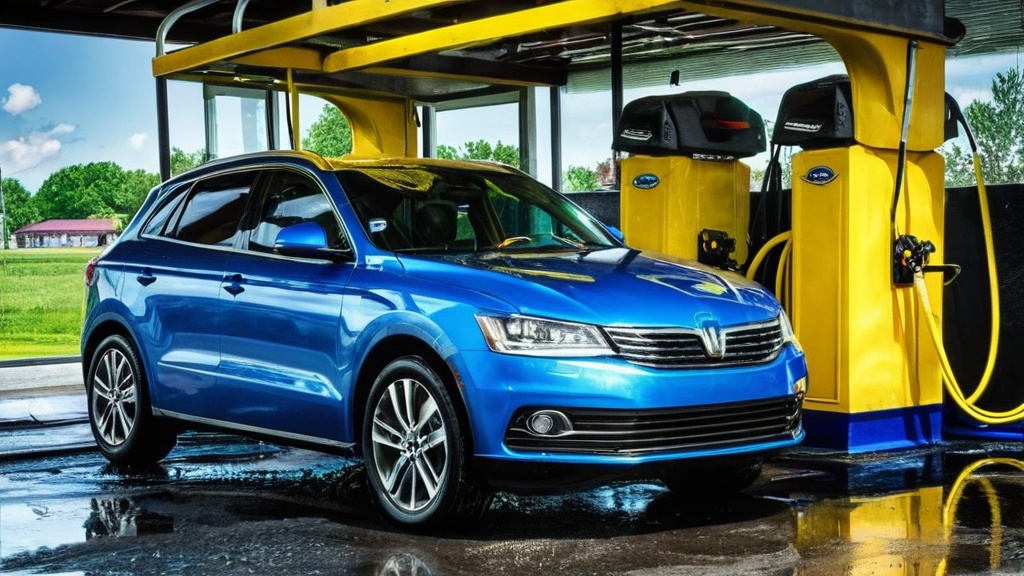
Modern self-service car washes incorporate features designed to minimize their environmental impact, especially concerning water usage and pollutant disposal.
Water Conservation
Many self-service car wash facilities employ water reclamation systems. These systems collect, filter, and reuse water that has been used for washing, significantly reducing the overall demand for fresh water. Advanced filtration processes remove contaminants before the water is cycled back into use, adhering to environmental regulations. This contrasts with home washing, where water often flows directly into storm drains without treatment, potentially carrying pollutants into natural water bodies.
Proper Waste Disposal
Another environmental benefit is the controlled disposal of wastewater. Self-service car washes are designed to channel all wash water into a dedicated drainage system. This system then directs the water to a treatment facility, where pollutants, detergents, and chemicals are removed before the water is discharged or returned to the environment. When you wash your car at home, detergents, oils, and grime often wash into storm drains, which typically lead directly to rivers, lakes, or oceans, bypassing any treatment. Self-service facilities act as a critical intermediary, ensuring responsible waste management.
Health and Well-being Benefits
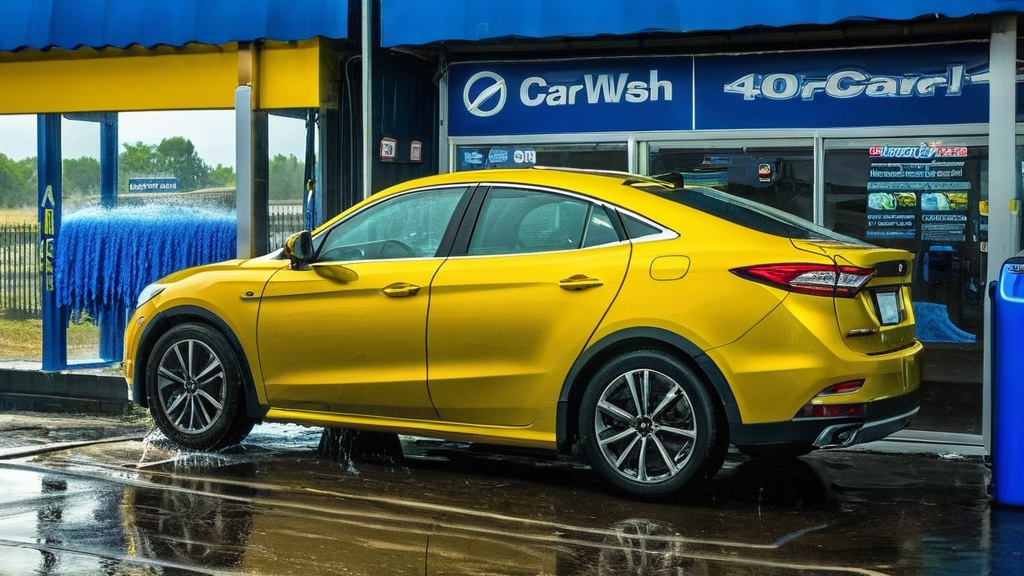
Engaging in the physical activity of washing a car can offer several non-obvious benefits, contributing to both physical activity and mental well-being.
Physical Activity
Washing a car, particularly a larger vehicle, is a physical activity. Bending, stretching, scrubbing, and maneuvering around the vehicle engage various muscle groups. This light to moderate exercise can contribute to daily activity levels, especially for individuals with sedentary lifestyles. It’s a functional form of exercise, where the objective is a clean car, but the process provides a workout. Think of it as a low-impact, productive fitness routine.
Stress Reduction
For some individuals, the act of meticulously cleaning a vehicle can be a meditative and stress-reducing experience. Focusing on the task at hand, the rhythmic motions of scrubbing, and the satisfaction of seeing a dirty car transform into a clean one can be a calming activity. It provides a tangible sense of accomplishment, a small victory in one’s day, which can positively impact mood and reduce stress. It’s a temporary escape from digital distractions, a moment of focused engagement with a physical task.
Connection with Your Vehicle
Actively participating in the cleaning process fosters a deeper connection with your vehicle. Understanding its contours, noticing small details, and addressing its specific cleaning needs can enhance your appreciation for it. This hands-on interaction allows for a closer inspection of the vehicle’s condition, potentially identifying minor issues, such as small dents, scratches, or wear and tear, that might otherwise go unnoticed during a rapid, automated wash or a quick glance. This awareness can be beneficial for proactive maintenance.
Practical Considerations and Best Practices
| Metric | Value | Unit | Notes |
|---|---|---|---|
| Average Wash Time | 7 | minutes | Typical duration per vehicle |
| Water Usage per Wash | 30 | liters | Average water consumption |
| Number of Bays | 4 | units | Common setup for small locations |
| Operating Hours | 24 | hours/day | Many self-service car washes operate 24/7 |
| Average Cost per Wash | 5 | currency units | Typical price charged |
| Monthly Customers | 1200 | customers | Average footfall per month |
| Electricity Usage | 150 | kWh/month | Estimated energy consumption |
| Soap Usage | 10 | liters/month | Cleaning agent consumption |
While self-service car washes offer numerous advantages, maximizing these benefits requires an understanding of practical considerations and an adoption of best practices. These ensure an effective cleaning experience while preserving your vehicle’s finish.
Optimal Timing
The time of day you choose to wash your car can significantly impact the outcome. Washing in direct harsh sunlight, especially during peak hours, can cause soap and water to dry too quickly on the vehicle’s surface, leading to water spots, particularly noticeable on darker paint finishes. The heat also exacerbates this issue. Opting for cooler parts of the day, such as early morning or late afternoon, or choosing an overcast day, allows you more time to work with the soap and rinse thoroughly, minimizing the risk of drying prematurely and leaving residues.
Pre-Washing Preparation
Before initiating the wash cycle, a brief inspection of your vehicle can be beneficial. Remove any loose debris, such as leaves or large pieces of dirt, by hand if necessary. This prevents larger particles from being dragged across the paint during the scrubbing phase, which could cause minor scratches. If your vehicle has extremely stubborn, dried-on contaminants like heavy mud or road tar, a preliminary rinse with the high-pressure spray can help loosen these before applying soap and scrubbing, making the cleaning process more efficient and less abrasive.
Correct Tool Usage
The range of tools available in a self-service bay each has a specific function. Understanding and utilizing them correctly is crucial.
- High-Pressure Spray: Use this initially to knock off loose dirt and grime. Maintain a safe distance from the vehicle’s surface (typically 6-12 inches) to avoid damaging paint or delicate components like emblems or trim. Use sweeping motions to ensure even coverage.
- Foam Brush: Once the car is thoroughly rinsed and soap is applied, use the foam brush. It’s advisable to perform a quick visual check of the brush before use. While generally designed to be non-abrasive, brushes can sometimes accumulate grit from previous users. If the brush feels gritty or appears exceptionally dirty, use caution or opt for applying soap via the high-pressure system if available, and then use your own clean wash mitt if you brought one. Scrub gently, from top to bottom, allowing the foam to lift dirt.
- Soaps and Waxes: Apply these as instructed by the car wash system. Ensure complete coverage, especially with waxes, for an even finish. Allow enough contact time for the cleaning agents to work, but do not let them dry on the surface.
Rinsing Thoroughly
The rinsing phase is as critical as the washing phase. Incomplete rinsing is a primary cause of streaks and water spots. Start rinsing from the top of the vehicle and work your way down, ensuring all soap residue is completely removed from every surface, including wheels, trim, and door jambs. Many self-service car washes offer a “spot-free rinse” option, which uses demineralized or deionized water. This water contains fewer dissolved minerals, which are the main culprits behind unsightly water spots. Utilizing this option, especially as the final rinse, can significantly improve the drying process and the final appearance of your vehicle.
Drying Techniques
While drying your car at a self-service bay might not always be practical or possible due to time constraints (the meter continues to run), if you have the time and the car wash permits, proper drying is essential for a spotless finish. Air drying without a spot-free rinse will almost certainly leave water spots. If you use a spot-free rinse, you can often allow the car to air dry without significant spotting. However, for a truly flawless finish, consider bringing your own clean, soft microfiber drying towels. Gently blot the water from the surface rather than dragging the towel, which can minimize friction and reduce the risk of marring the paint. Some car washes also provide air blowers, which can be effective, especially for crevices and wheels.
Bringing Your Own Supplies
While self-service car washes provide the basic necessities, bringing a few personal items can enhance the experience and results:
- Wash Mitt/Sponge: If you are concerned about the cleanliness or potential abrasiveness of shared foam brushes, bringing your own clean, high-quality wash mitt made of microfiber or sheepskin ensures a gentle touch on your paintwork.
- Microfiber Drying Towels: As mentioned, these are invaluable for achieving a streak-free, spot-free finish after rinsing.
- Wheel Cleaner (optional): For heavily soiled wheels, a dedicated wheel cleaner applied before the main wash can often yield superior results compared to general car wash soap.
- Bucket (optional): For a two-bucket wash method (one for soapy water, one for rinsing the mitt), although this is often difficult to implement efficiently at a self-service bay due to water source limitations.
By adhering to these practices, you can maximize the benefits of self-service car washes, achieving a clean vehicle while actively managing the cost, quality, and environmental impact of the cleaning process. This hands-on approach positions you not just as a consumer, but as an informed participant in your vehicle’s maintenance.