
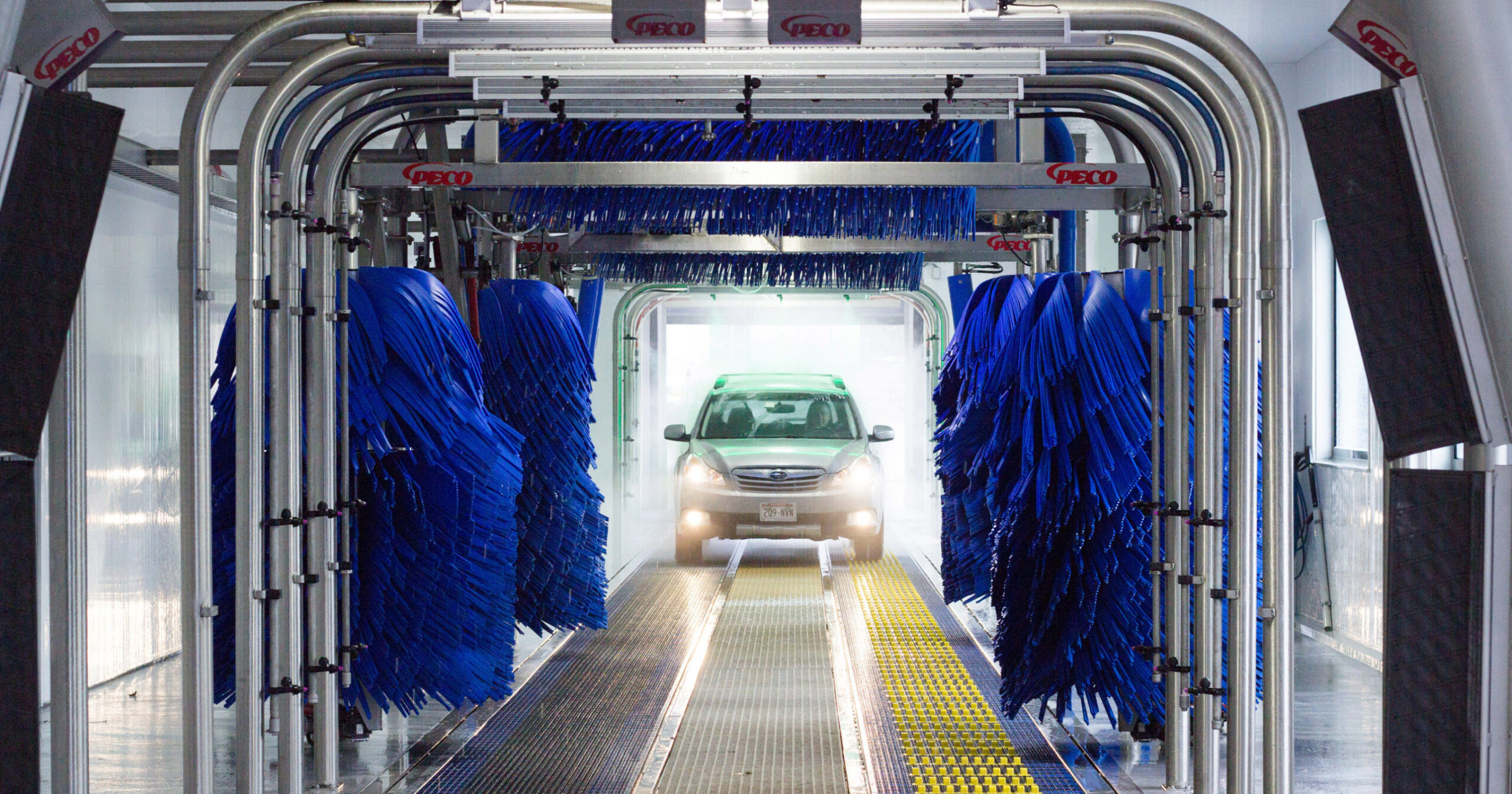
This guide assists readers in locating a car wash service that aligns with their needs. The process involves identifying individual requirements, understanding car wash types, evaluating services, and assessing convenience factors.
Before embarking on a search, consider what you expect from a car wash. A car wash, much like a tailor, offers different services for different garments. Do you prioritize speed and minimal cost, or are you seeking a meticulous clean with additional protective treatments? Your expectation forms the bedrock of your search.
Frequency of Washing
The frequency with which you wash your vehicle dictates the type of service you might seek. A vehicle washed weekly might benefit from a membership program, while one washed quarterly might warrant a more comprehensive, one-off service. Regular maintenance extends the life of paintwork and preserves aesthetic appeal. Infrequent washing can lead to the accumulation of contaminants that require more aggressive cleaning methods. This can be akin to a small crack in a wall that, if left unattended, becomes a structural flaw.
- Daily Commuters: Vehicles subjected to daily commutes, especially in urban or industrial areas, accumulate grime rapidly. These vehicles benefit from frequent, perhaps weekly, washes. Focus for this category is on cost-effective, quick options.
- Weekend Drivers: Vehicles used primarily on weekends might require less frequent washing, perhaps every two to four weeks. A balance between cost and thoroughness is often sought here.
- Show Cars/Specialty Vehicles: These vehicles often receive meticulous care, potentially involving hand washing and detailing services. The emphasis is on preserving pristine condition, justifying higher costs and specialized treatments.
Vehicle Type and Condition
The type and condition of your vehicle influence the appropriate cleaning approach. A classic car with delicate paintwork requires different handling than a modern SUV designed to withstand harsher conditions.
- Luxury and Classic Vehicles: These vehicles often possess sensitive paint finishes and intricate details, demanding gentle cleaning methods. Hand washing or touchless automatic washes are often preferred to minimize abrasion. Harsh chemicals or aggressive brushes can cause irreparable damage.
- Newer Vehicles: Modern vehicles typically feature durable clear coats but can still benefit from gentle washing to maintain their finish. The focus is on preventing swirl marks and preserving the factory shine.
- Older Vehicles: Older vehicles might have weathered paint or minor imperfections. While a good wash improves their appearance, aggressive methods might exacerbate existing issues. Focus on effective cleaning without further degradation.
- Off-Road Vehicles/Work Trucks: These vehicles accumulate significant amounts of dirt, mud, and debris. Robust cleaning methods capable of removing heavy soiling are necessary. Pressure washing, followed by thorough scrubbing, is common.
Budgetary Constraints
Cost is a pragmatic consideration. Car wash services range from a few dollars for a basic exterior wash to hundreds for comprehensive detailing. Establishing a budget upfront helps narrow the options.
- Economy Washes: These typically involve automated exterior cleaning. They are cost-effective but offer minimal protection or interior services.
- Mid-Range Washes: These often include some interior vacuuming, tire shining, and basic protective coatings. They provide a balance between cost and service.
- Premium Washes and Detailing: These bespoke services offer meticulous cleaning, paint correction, interior rejuvenation, and long-lasting protective treatments. The cost reflects the labor and specialized products involved.
Understanding Car Wash Types
The car wash industry offers a spectrum of services, each with its own methodology and outcomes. Understanding these distinctions is crucial for making an informed choice. It’s like choosing between a microwave meal and a freshly prepared dish; both fulfill a need, but their quality and process differ significantly.
Automatic Car Washes
These operations utilize automated machinery to clean vehicles. They are characterized by speed and convenience.
- Touchless Automatic Washes: These systems use high-pressure water jets and cleaning solutions exclusively, avoiding direct contact with the vehicle’s surface. This minimizes the risk of paint scratches or swirl marks. However, heavy grime may not be entirely removed, and drying can be incomplete. This method is a gentle rainfall, effective for light dust but less so for hardened mud.
- Pros: Minimal risk of paint damage, quick, convenient.
- Cons: May not remove stubborn dirt, drying can be inefficient, higher water usage.
- Ideal for: Regularly washed vehicles with light contamination, those concerned about paint integrity.
- Soft-Touch (Friction) Automatic Washes: These employ cloth or foam brushes that physically contact the vehicle to remove dirt. While generally effective at cleaning, there is a minor risk of swirl marks if the brushes are not regularly cleaned or maintained. Think of these as a gentle scrub brush, effective but with a slight abrasive potential.
- Pros: Generally more effective at removing stubborn dirt than touchless washes, quicker than hand washing.
- Cons: Potential for minor swirl marks or scratches, water spots if drying is poor.
- Ideal for: Vehicles with moderate dirt accumulation, those prioritizing a thorough exterior clean over absolute paint perfection.
- Drive-Through Conveyor Washes: Vehicles are placed on a conveyor belt and moved through various cleaning stages, including presoak, washing, rinsing, and drying. These are often the fastest automatic options.
- Pros: High throughput, typically offer a range of wash packages.
- Cons: Similar risks to soft-touch washes regarding potential for paint damage, can be intimidating for some drivers.
- Ideal for: High-volume traffic, drivers seeking speed and efficiency.
Self-Service Car Washes
These facilities provide bays equipped with high-pressure hoses, brushes, and various cleaning products that customers operate themselves. They offer flexibility and cost-effectiveness for those who prefer a hands-on approach. This is akin to preparing one’s own meal; you control the ingredients and the process.
- Pros: Cost-effective, allows customized cleaning, provides exercise, empowering.
- Cons: Requires manual effort, can be time-consuming, quality of clean depends on operator skill.
- Ideal for: Budget-conscious individuals, those who enjoy washing their own car, vehicles requiring specific attention in certain areas.
Full-Service Car Washes
These operations combine automatic exterior cleaning with manual interior services performed by staff. They aim to provide a comprehensive clean without requiring customer participation beyond dropping off the vehicle.
- Pros: Convenience, combination of exterior and interior cleaning, professional results.
- Cons: More expensive than automatic or self-service options, potential for inconsistent human service.
- Ideal for: Busy individuals, those who value both exterior and interior cleanliness without personal effort.
Evaluating Car Wash Services
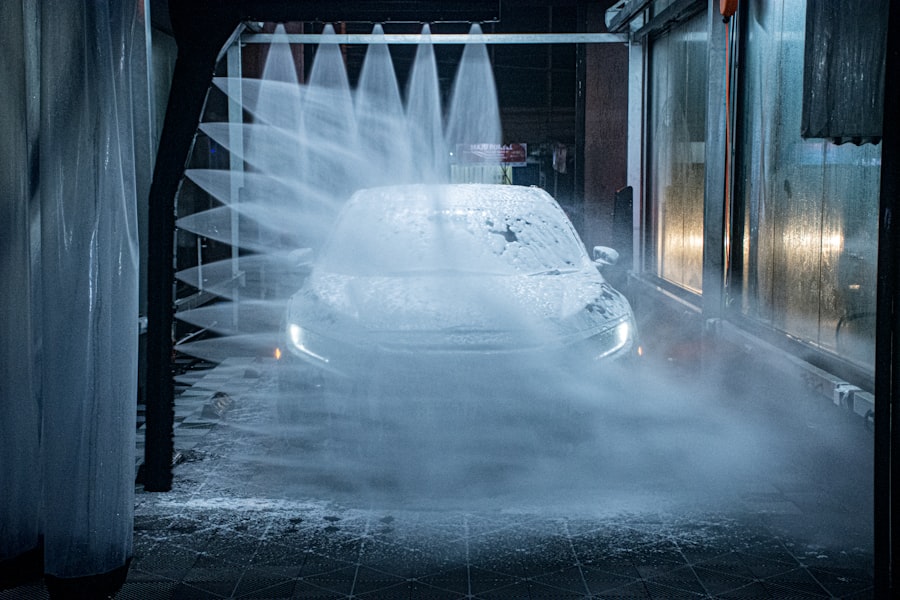
Once you’ve identified potential car wash options, a systematic evaluation is necessary. This involves scrutinizing the quality of service, the products used, and the overall customer experience.
Quality of Cleaning
The primary objective of a car wash is successful removal of dirt and grime. Observe the cleanliness of vehicles exiting the wash. Are there visible streaks, dirt residues, or water spots? A truly effective wash leaves the vehicle uniformly clean and spot-free. This is the ultimate test; like a freshly ironed shirt, there should be no creases or blemishes.
- Effectiveness of Dirt Removal: A good car wash removes the majority of surface dirt without leaving behind gritty residue. Examine areas often missed, such as wheel wells, lower body panels, and mirrors.
- Streak-Free Drying: Inadequate drying leads to water spots, which can etch into paint if left untreated. Look for washes that achieve a near-perfect dry.
- Attention to Detail: For full-service or detailing operations, assess the care taken with interior surfaces, window cleaning, and tire dressing.
Products and Equipment
The chemicals and equipment employed significantly impact the cleaning process and the vehicle’s finish. Modern, well-maintained equipment and high-quality, pH-neutral cleaning agents are indicators of a superior car wash. Aggressive chemicals can strip waxes and sealants, while worn brushes can scratch paint.
- Cleaning Solutions: Inquire about the types of soaps and detergents used. Mild, biodegradable, pH-neutral formulas are preferable to harsh, high-alkaline solutions.
- Brush/Cloth Material: For soft-touch washes, investigate the material of the brushes or cloths. Microfiber or closed-cell foam is gentler than traditional bristles.
- Water Quality: Hard water can leave mineral deposits. Some advanced washes use filtered or deionized water to prevent spotting.
Customer Service and Reputation
A car wash is a service industry. Courteous staff, efficient operations, and a commitment to customer satisfaction contribute to a positive experience. Online reviews and local recommendations serve as valuable intelligence. A good reputation is a beacon; a poor one, a warning.
- Staff Professionalism: Observe staff interaction, attentiveness, and willingness to address concerns.
- Problem Resolution: How does the business handle complaints or issues? A responsive and fair approach indicates a commitment to customer satisfaction.
- Online Reviews: Consult platforms like Google Reviews, Yelp, and local forums for feedback on specific car washes. Look for recurring themes in positive and negative comments.
Assessing Convenience Factors
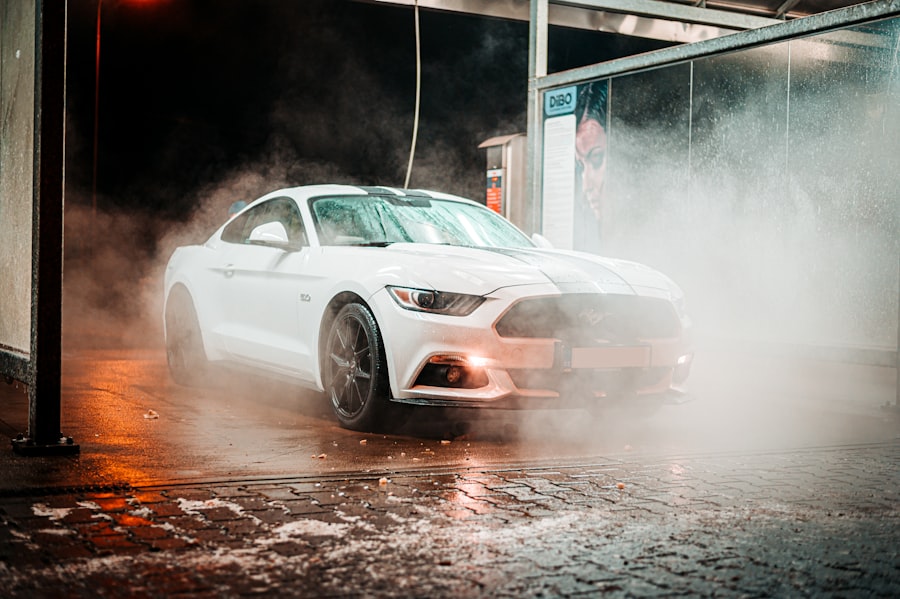
Beyond the quality of the wash itself, practical considerations like location, operating hours, and additional amenities play a significant role in determining the “best” car wash for you.
Proximity and Accessibility
The most meticulously clean car wash is of limited utility if it is located inconveniently. Consider the travel time and ease of access from your home or workplace. A car wash that becomes an arduous pilgrimage loses its appeal.
- Location: Is it on your regular commute route? Is it easily accessible from major roads?
- Traffic Flow: Assess the typical wait times, especially during peak hours. A quick wash loses its advantage if you spend 30 minutes in line.
Operating Hours
Ensure the car wash’s operating hours align with your schedule. Some washes offer extended hours or are open on weekends, accommodating diverse lifestyles.
- Weekday Availability: Can you visit during work hours or after?
- Weekend Availability: Is it open when you typically have free time?
- Seasonal Considerations: Do hours change with the seasons?
Additional Amenities and Services
Many car washes offer more than just exterior cleaning. These supplementary services can add value and convenience. Consider these as garnishes on a main dish; while not essential, they enhance the overall experience.
- Vacuum Stations: Free or paid vacuum cleaners for interior cleaning.
- Detailing Services: Professional interior and exterior detailing, paint correction, ceramic coatings.
- Pet Washing Facilities: Specialized bays for owners to wash their pets.
- Air Fresheners/Cleaning Wipes: Dispensers for common car care products.
- Loyalty Programs/Memberships: Discounts or free washes for repeat customers.
Making Your Final Decision
| Car Wash Name | Distance (miles) | Service Type | Customer Rating (out of 5) | Average Wait Time (minutes) | Operating Hours |
|---|---|---|---|---|---|
| Sparkle Clean | 1.2 | Full Service | 4.7 | 10 | 8 AM – 7 PM |
| Quick Shine | 0.8 | Express Wash | 4.3 | 5 | 7 AM – 9 PM |
| Eco Wash | 2.5 | Waterless Wash | 4.8 | 15 | 9 AM – 6 PM |
| Shiny Rides | 3.0 | Full Service | 4.5 | 12 | 8 AM – 8 PM |
| Auto Gleam | 1.5 | Express Wash | 4.2 | 7 | 7 AM – 7 PM |
The selection of a car wash is not a one-size-fits-all endeavor. Having defined your needs, understood the types of washes, evaluated their services, and considered convenience, you are now equipped to make an informed decision.
Trial and Error
Sometimes, the most effective method is direct experience. Visit a few promising candidates and assess them first-hand. Pay attention to the details. Did the wash live up to your expectations? Was the service efficient and friendly?
- Start with a Basic Wash: For initial trials, opt for a standard wash to gauge overall quality before committing to more expensive packages.
- Note Observations: Keep a mental (or physical) record of your experience at each location, including cleanliness, wait times, and customer service.
Sustained Observation
The performance of a car wash can fluctuate. Staff changes, equipment wear, or shifts in management can impact service quality. Periodically reassess your chosen car wash to ensure it continues to meet your standards. The car wash industry, like any enterprise, is a dynamic environment.
- Regular Checks: Inspect your vehicle after each wash for consistent quality.
- Feedback: Provide constructive feedback to the car wash management if issues arise. This helps them improve and benefits future patrons.
Ultimately, “the best” car wash is the one that consistently delivers the level of cleanliness and service you require, at a price you are willing to pay, and with a degree of convenience that fits your lifestyle. This guide provides the framework; your personal preference completes the picture.